Kurma Ajwa: The King of Dates and Its Unique Appeal
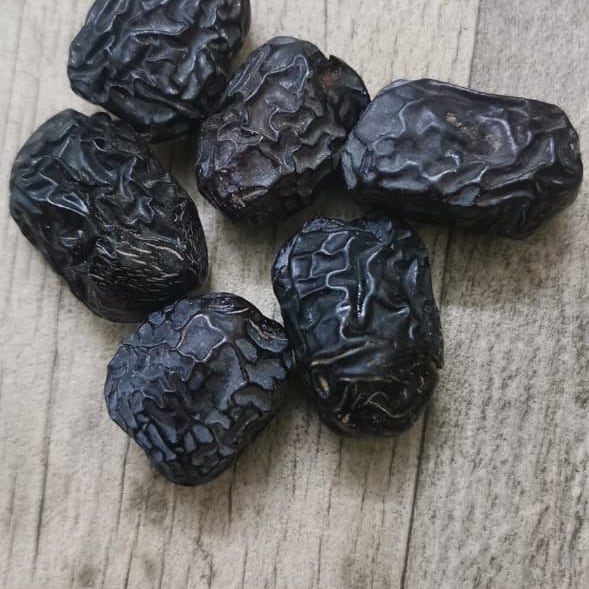
In the world of premium dates, one variety stands above the rest—kurma Ajwa. Often called the "king of dates," it holds a special place in global markets, cherished for its rich flavor, soft texture, and remarkable health benefits. But what exactly makes this date so unique, and why do suppliers and consumers prize it so highly?
A Legacy of Excellence
Kurma Ajwa has been cultivated for centuries, with its origins tracing back to ancient agricultural traditions. Unlike common date varieties, it grows in limited quantities, making it a rare and sought-after product. The meticulous care taken in its cultivation—from hand-pollination to selective harvesting—ensures that each date meets the highest standards of quality.
Distinctive Flavor and Texture
What sets kurma Ajwa apart is its complex, almost wine-like sweetness with subtle caramel and cinnamon notes. The flesh is exceptionally soft, almost melt-in-your-mouth, unlike firmer date varieties. This luxurious texture makes it a favorite for direct consumption, as well as gourmet recipes.
Nutritional Powerhouse
Beyond taste, kurma Ajwa is packed with health-boosting properties. It contains high levels of antioxidants, which help combat oxidative stress in the body. Its natural sugars provide quick energy, while its fiber content supports digestion. Some traditional medicinal practices even recommend it for heart health and immune support, adding to its prestige.
Cultural and Spiritual Significance
This date is not just a fruit—it carries deep cultural and spiritual importance in many communities. Its rarity and revered status make it a common gift during special occasions and religious events. For suppliers, this means consistent demand, particularly during festive seasons when buyers seek premium-quality offerings.
Market Demand and Pricing Factors
Due to its limited production and high desirability, kurma Ajwa commands a premium price in the market. Suppliers should note that prices fluctuate based on harvest yields, regional demand, and export costs. Those who source directly from trusted growers can secure better margins while ensuring authenticity—a key concern for buyers.
How to Identify Authentic Kurma Ajwa
With high demand comes the risk of counterfeit products. Genuine kurma Ajwa has a deep brown to almost black color, a slightly wrinkled skin, and a uniform size. Lower-quality imitations may appear too shiny or have inconsistent textures. Suppliers must verify origins and certifications to maintain trust with buyers.
Storage and Shelf Life Considerations
While kurma Ajwa has a naturally long shelf life, proper storage is essential to preserve its quality. Keeping it in a cool, dry place—or refrigerating for extended periods—helps maintain its moisture and flavor. Suppliers should educate buyers on best storage practices to prevent spoilage and ensure satisfaction.
Why Suppliers Should Stock Kurma Ajwa
For date suppliers, offering kurma Ajwa can elevate their product lineup. Its premium status attracts high-end buyers, including gourmet stores, health-conscious consumers, and specialty gift markets. By emphasizing its unique qualities and health benefits, suppliers can justify its higher price point and build a loyal customer base.
Final Thoughts
Kurma Ajwa’s unmatched flavor, nutritional richness, and cultural significance make it a standout in the date industry. For suppliers, understanding its value—and effectively communicating it to buyers—can open doors to lucrative opportunities. Whether you're expanding your inventory or catering to discerning clients, this "king of dates" deserves a place in your offerings.